Kategoriler
Eser Adı Yazar Yayınevi Açıklama İçindekiler Barkod
Arama  
Ana Sayfa Sipariş Takip Üyelik Yardım İletişim
 
 
Bülten
   

×
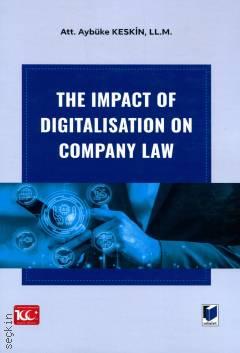
The Impact Of Digitalisation On Company Law
Ocak 2024 / 1. Baskı / 206 Syf.
Fiyatı: 510.00 TL
Temin süresi 2-3 gündür.
 
Sepete Ekle
   

Digitalisation has affected company law as well as many areas in re-cent years. Artifıcial intelligence and blockchain technologies are leading in this regard. Whereas artifıcial intelligence manifests itself in issues such as management and auditing, blockchain technology is located in many processes from the formation of the company to its termination. This the-sis examines artificial intelligence as a board member and an assistant in decision-making processes and emphasises its role in appointing board members. it also scrutinises the impact of artificial intelligence on external audits. in addition, it analyses blockchain technology regarding issues such as the formation of the company, keeping the documents, conducting meetings, and dissolution via blockchain. Blockchain technology, vvhich is used with smart contracts, paves the way for forming decentralised autonomous organisations.

This thesis also examines the effects of digitali¬sation on corporate governance, with reference to corporate governance principles. Moreover, ituates how shareholder rights, minority share-holder rights, and current issues such as board diversity will be amelio-rated in the future. Although there will be no majör change in the short term, it can be claimed that digitalisation will eventually mark an era in company law and corporate governance. More studies on these issues and their legalisation activities are expected to increase in the follovving peri-ods.

Konu Başlıkları
Introduction
Artificial Intelligence
Blockchain
Digitalisation and Corporate Governance
Conclusion
Barkod: 9786052647097
Yayın Tarihi: Ocak 2024
Baskı Sayısı:  1
Ebat: 16x24
Sayfa Sayısı: 206
Yayınevi: Adalet Yayınevi
Kapak Türü: Karton Kapaklı
Dili: İngilizce
Ekler: -


İÇİNDEKİLER
CONTENTS
GENİŞ ÖZET  7
ABSTRACT  15
ACKNOWLEDGEMENTS  17
CONTENTS  19
ABBREVIATIONS  23
1. INTRODUCTION  25
1.1. Literature Review  25
1.2. Aim and Scope  31
1.3. Problems and Key Research Questions  31
1.4. Overview and Contribution  32
1.5. The Importance of Study  32
1.6. The Planned Structure of the Research  32
1.7. Research Methodology  33
2. ARTIFICIAL INTELLIGENCE  35
2.1. In General  35
2.2. Definitions and Functions of AI  35
2.3. Types of AI  37
2.4. Regulations on AI  38
2.5. Changes Brought by AI  40
2.5.1. In General  40
2.5.2. Effects of AI on Company Law  41
2.6. The Use of AI in the Management of the Company  45
2.6.1. AI as a Director  45
2.6.2. AI–Assisted Decision–Making  49
2.6.3. AI in the Appointment of Board Members  51
2.7. AI and External Audit  54
2.7.1. Audit  54
2.7.2. External Audit  55
2.7.3. Effects of AI on External Audit  56
2.7.4. Possible Uses of AI in External Audit  57
2.7.4.1. In General  57
2.7.4.2. AI as a Decision Aid  60
2.7.4.3. AI as an Auditor  63
2.7.5. Thoughts on the Future of External Audit  67
3. BLOCKCHAIN  71
3.1. In General  71
3.2. Definitions of Blockchain  72
3.3. Types of Blockchain  73
3.4. Characteristics of Blockchain  74
3.5. Smart Contracts  76
3.5.1. In General  76
3.5.2. Smart Contracts on Blockchain  77
3.6. Benefits and Challenges of Blockchain  79
3.7. From Traditional Ways to Blockchain in Companies  82
3.8. Decentralised Autonomous Organisations  85
3.9. Blockchain from the Formation to the Termination of the Company  87
3.9.1. Forming a Company on Blockchain  87
3.9.1.1. Company Formation  87
3.9.1.2. Company Formation via Blockchain  88
3.9.1.3. A Case Study from Estonia  90
3.9.2. Preparation of the Articles of Association on Blockchain  92
3.9.3. Keeping Commercial Books and Records of the Company via
Blockchain  94
3.9.4. Having Annual General Meetings via Blockchain  98
3.9.4.1. Virtual AGMs  98
3.9.4.2. Virtual AGMs via Blockchain  101
3.9.4.3. Drawbacks of Blockchain–based AGMs  104
3.9.5. Having Board Meetings via Blockchain  106
3.9.5.1. Virtual Board Meetings  106
3.9.5.2. Board Meetings and Blockchain  109
3.9.5.3. Drawbacks of Virtual Meetings and the Blockchain
Solution  110
3.9.6. Terminating the Company via Blockchain  111
4. DIGITALISATION AND CORPORATE GOVERNANCE  115
4.1. Corporate Governance  115
4.1.1. In General  115
4.1.2. Digital Corporate Governance  118
4.2. The Principles of Corporate Governance within the Context of New
Technologies  120
4.2.1. Transparency  120
4.2.2. Fairness  125
4.2.3. Accountability  126
4.2.3.1. In General  126
4.2.3.2. Using AI  127
4.2.3.2.1. Effects of AI on Accountability  127
4.2.3.2.2. Liability of AI  129
4.2.3.2.3. The EU Directive  130
4.2.3.2.4. Thoughts on Liability of AI  130
4.2.3.3. Utilising Blockchain  132
4.2.3.4. Regarding DAOs  133
4.2.4. Responsibility  134
4.2.5. Monitoring  137
4.3. Shareholder Rights  140
4.4. Minority Shareholders’ Rights  145
4.5. Compliance  150
4.6. Board Diversity as a Current Corporate Governance Discussion  155
5. CONCLUSION  163
5.1. Significance and Contribution  163
1.2. Future of Research  166
REFERENCES  169


İÇİNDEKİLER
CONTENTS
GENİŞ ÖZET  7
ABSTRACT  15
ACKNOWLEDGEMENTS  17
CONTENTS  19
ABBREVIATIONS  23
1. INTRODUCTION  25
1.1. Literature Review  25
1.2. Aim and Scope  31
1.3. Problems and Key Research Questions  31
1.4. Overview and Contribution  32
1.5. The Importance of Study  32
1.6. The Planned Structure of the Research  32
1.7. Research Methodology  33
2. ARTIFICIAL INTELLIGENCE  35
2.1. In General  35
2.2. Definitions and Functions of AI  35
2.3. Types of AI  37
2.4. Regulations on AI  38
2.5. Changes Brought by AI  40
2.5.1. In General  40
2.5.2. Effects of AI on Company Law  41
2.6. The Use of AI in the Management of the Company  45
2.6.1. AI as a Director  45
2.6.2. AI–Assisted Decision–Making  49
2.6.3. AI in the Appointment of Board Members  51
2.7. AI and External Audit  54
2.7.1. Audit  54
2.7.2. External Audit  55
2.7.3. Effects of AI on External Audit  56
2.7.4. Possible Uses of AI in External Audit  57
2.7.4.1. In General  57
2.7.4.2. AI as a Decision Aid  60
2.7.4.3. AI as an Auditor  63
2.7.5. Thoughts on the Future of External Audit  67
3. BLOCKCHAIN  71
3.1. In General  71
3.2. Definitions of Blockchain  72
3.3. Types of Blockchain  73
3.4. Characteristics of Blockchain  74
3.5. Smart Contracts  76
3.5.1. In General  76
3.5.2. Smart Contracts on Blockchain  77
3.6. Benefits and Challenges of Blockchain  79
3.7. From Traditional Ways to Blockchain in Companies  82
3.8. Decentralised Autonomous Organisations  85
3.9. Blockchain from the Formation to the Termination of the Company  87
3.9.1. Forming a Company on Blockchain  87
3.9.1.1. Company Formation  87
3.9.1.2. Company Formation via Blockchain  88
3.9.1.3. A Case Study from Estonia  90
3.9.2. Preparation of the Articles of Association on Blockchain  92
3.9.3. Keeping Commercial Books and Records of the Company via
Blockchain  94
3.9.4. Having Annual General Meetings via Blockchain  98
3.9.4.1. Virtual AGMs  98
3.9.4.2. Virtual AGMs via Blockchain  101
3.9.4.3. Drawbacks of Blockchain–based AGMs  104
3.9.5. Having Board Meetings via Blockchain  106
3.9.5.1. Virtual Board Meetings  106
3.9.5.2. Board Meetings and Blockchain  109
3.9.5.3. Drawbacks of Virtual Meetings and the Blockchain
Solution  110
3.9.6. Terminating the Company via Blockchain  111
4. DIGITALISATION AND CORPORATE GOVERNANCE  115
4.1. Corporate Governance  115
4.1.1. In General  115
4.1.2. Digital Corporate Governance  118
4.2. The Principles of Corporate Governance within the Context of New
Technologies  120
4.2.1. Transparency  120
4.2.2. Fairness  125
4.2.3. Accountability  126
4.2.3.1. In General  126
4.2.3.2. Using AI  127
4.2.3.2.1. Effects of AI on Accountability  127
4.2.3.2.2. Liability of AI  129
4.2.3.2.3. The EU Directive  130
4.2.3.2.4. Thoughts on Liability of AI  130
4.2.3.3. Utilising Blockchain  132
4.2.3.4. Regarding DAOs  133
4.2.4. Responsibility  134
4.2.5. Monitoring  137
4.3. Shareholder Rights  140
4.4. Minority Shareholders’ Rights  145
4.5. Compliance  150
4.6. Board Diversity as a Current Corporate Governance Discussion  155
5. CONCLUSION  163
5.1. Significance and Contribution  163
1.2. Future of Research  166
REFERENCES  169


Kitap
Bülten
Kitap
Kitap
İndirimli Kitaplar
 
 
Ana Sayfa | 2021 Kaynakça Dokümanı | Hakkımızda | Bülten | Kişisel Verilerin Korunması | Yardım | İletişim

Seçkin Yayıncılık San. Tic. A.Ş.
Copyright © 1996 - 2026