Kategoriler
Eser Adı Yazar Yayınevi Açıklama İçindekiler Barkod
Arama  
Ana Sayfa Sipariş Takip Üyelik Yardım İletişim
 
 
Bülten
   

×
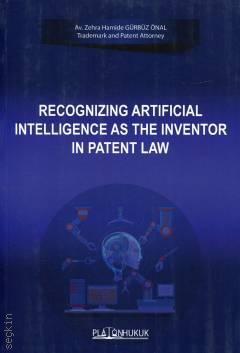
Recognizing Artificial Intelligence as The Inventor in Patent Law
Mayıs 2025 / 1. Baskı / 150 Syf.
Fiyatı: 340.00 TL
Temin süresi 2-3 gündür.
 
Sepete Ekle
   

This book not only analyzes judicial decisions but also offers essential background for understanding the topic: What exactly is artificial intelligence? What is machine learning? Why has the debate around AI inventorship become so intense, and how have media narratives and commercial interests amplified it?

As Andrew Ng has noted, AI is becoming a transformative, general-purpose technology — "the new electricity." Yet the author argues that AI, for now and the foreseeable future, remains a sophisticated tool rather than a source of independent creativity. The legal system must assess AI's role thoughtfully, without attributing human qualitiesoverstating its capabilities.

This book is an essential read for legal professionals, technologists, and anyone interested in the intersection of law and emerging technologies. With clarity and depth, it invites readers to consider where AI fits within the innovation ecosystem — and where it does not.

Barkod: 9786255569592
Yayın Tarihi: Mayıs 2025
Baskı Sayısı:  1
Ebat: 16x24
Sayfa Sayısı: 150
Yayınevi: Platon Hukuk Yayınevi
Kapak Türü: Karton Kapaklı
Dili: Türkçe
Ekler: -


İÇİNDEKİLER
TABLE OF CONTENTS  
LIST OF ABBREVIATIONS 9  
INTRODUCTION . 11  
CHAPTER ONE  
ARTIFICIAL INTELLIGENCE (AI)  
CHRONOLOGICAL OVERVIEW OF AI. 15  
A) The History That Builds and Defines AI . 15  
Understanding AI: Algorithm 22  
Definition of AI 27  
Human Intelligence and Machine Intelligence . 32  
B) Machine Learning (ML) 35  
Definition of ML 35  
Types of ML . 38  
Supervised Learning (SL) 38  
Unsupervised Learning (USL) . 38  
Reinforced Learning (RL) 39  
Deep Learning (DL) . 40  
Artificial Neural Networks (ANN) 41  
Examples of DL . 42  
Evolutionary Computing (Programming) 42  
AI TODAY 45  
A) Artificial Narrow Intelligence (ANI) 45  
B) The Benefits of ANI 47  
III. FUTURE OF AI 47  
A) Artificial General Intelligence (AGI) 47  
B) Artificial Super Intelligence (ASI) 50  
CHAPTER TWO  
RELAVANT CONCEPTS IN PATENT LAW AND PATENTABILITY OF AI SYSTEMS AND INVENTIONS OVERVIEW OF PATENT LAW 51  
A) Etymology and History . 52  
Turkish Patent Law 53  
History of Turkish Patent Law . 53  
The Recent Law . 54  
International Legislation 54  
B) Invention and Inventor . 55  
Invention . 55  
Invention in Turkish Law . 55  
Invention in Europe and Other Jurisdictions . 57  
Inventor 57  
Inventor in Turkish Law . 58  
Inventor in Europe and Other Jurisdictions . 59  
C) Patentability Criteria 60  
Novelty . 61  
“State of Art” in Novelty 61  
Explanation of Novelty with an Example 63  
Inventive Step (Non–Obviousness) 65  
“State of Art” in Inventive Step . 66  
Exceptions of “State of Art” inuating Inventive Step 66  
First Exception: Unpublished Patent Applications 66  
Second Exception: The Related Area 67  
Expert in the Field . 67  
Determining the Inventive Step: “Problem–Solution” Approach . 67  
Industrial Applicability 69  
PATENTABILITY OF AI SYSTEMS AND AI INVENTIONS . 70  
A) Patentability of Computer Software 71  
B) Patentability of AI Systems . 73  
C) Patentability of AI Inventions 74  
Disclosure of AI . 74  
Global Cooperation on AI 75  
Inventorship of AI 75  
Patent Law Term “The Skilled Person” and AI . 75  
CHAPTER THREE  
AI AS AN INVENTOR RECENT ADVANCEMENT of AI APPLICATIONS in DIFFERENT SECTORS . 77  
RECOGNIZING AI: DIFFERENT APROACHES FOR PERSONALITY . 79  
A) Electronic Personality 80  
B) Attorney/Representative Approach . 81  
C) Artificial Human Approach . 82  
D) Slavery Approach 82  
III. THE DABUS CASE: THE EARLY CROWING ROOSTER 83  
A) What Is DABUS? 84  
B) The Artificial Inventor Project (AIP) 87  
C) DABUS Patent Applications . 88  
D) Rejection of DABUS Patent Applications 94  
Decision in UK on DABUS Application . 94  
Decision of EPO on DABUS Application . 96  
Decision in US on DABUS Application 97  
Other PCT Countries: Australia, Germany, South Africa 100  
Decision in Australia on DABUS Application 102  
Decision in Germany on DABUS Application 103  
Decision in South Africa on DABUS Application 104  
CHAPTER FOUR  
FUTURE OF PATENT LAW REGARDING AI FUTURE OF PATENT LAW 105  
A) Can AI Be Recognized As Inventor 106  
Arguments of the Positive Perspective . 108  
Argument One: Current System Discourage Honesty . 109  
Argument Two: Incentivise Innovation . 110  
Argument Three: Reform in Patent Law Is  
Indispensable . 110  
Argument Four: Society Will Be the Owner of the  
Invention 110  
Arguments of the Negative Perspective . 111  
Argument One: Opponents of IPR Protection . 111  
Argument Two: Opponents of Pre–acceptance 111  
Argument Three: Inventiveness is Unique to Human  
Being 112  
B) Can AI Invent? . 112  
C) About the AI Inventions Cited in the Literature 114  
Circuit Designs By John Koza’s “Invention Machine” . 114  
“Oral–B Cross Action Tooth Brush” by “Creativity  
Machine” 115  
“Food Receipt” By Contest Winner Watson’s Jeopardy . 115  
“Nose Cone” by Hitachi Company 116  
“Fractal Food Container” and “Devices and Methods for  
Attracting Enhanced Attention” by DABUS . 116  
The NASA Antenna . 116  
“Digital Twin” Car Suspension by Siemens 117  
Robot Eve in Medical Field . 117  
D) Anthropomorphism in AI 118  
CONCLUSION . 121  
ABSTRACT . 125  
ÖZET . 127  
BIBLIOGRAPHY . 129  
LINKS 148  
LIST OF FIGURES 150  


Seçkin Yayıncılık
Ocak 2026
260.00 TL
İndirimli: 221.00 TL (%15)
Sepete Ekle
Tayfun Ercan ...
Ocak 2026
430.00 TL
Sepete Ekle
Seçkin Yayıncılık
Ocak 2026
185.00 TL
İndirimli: 157.25 TL (%15)
Sepete Ekle


İÇİNDEKİLER
TABLE OF CONTENTS  
LIST OF ABBREVIATIONS 9  
INTRODUCTION . 11  
CHAPTER ONE  
ARTIFICIAL INTELLIGENCE (AI)  
CHRONOLOGICAL OVERVIEW OF AI. 15  
A) The History That Builds and Defines AI . 15  
Understanding AI: Algorithm 22  
Definition of AI 27  
Human Intelligence and Machine Intelligence . 32  
B) Machine Learning (ML) 35  
Definition of ML 35  
Types of ML . 38  
Supervised Learning (SL) 38  
Unsupervised Learning (USL) . 38  
Reinforced Learning (RL) 39  
Deep Learning (DL) . 40  
Artificial Neural Networks (ANN) 41  
Examples of DL . 42  
Evolutionary Computing (Programming) 42  
AI TODAY 45  
A) Artificial Narrow Intelligence (ANI) 45  
B) The Benefits of ANI 47  
III. FUTURE OF AI 47  
A) Artificial General Intelligence (AGI) 47  
B) Artificial Super Intelligence (ASI) 50  
CHAPTER TWO  
RELAVANT CONCEPTS IN PATENT LAW AND PATENTABILITY OF AI SYSTEMS AND INVENTIONS OVERVIEW OF PATENT LAW 51  
A) Etymology and History . 52  
Turkish Patent Law 53  
History of Turkish Patent Law . 53  
The Recent Law . 54  
International Legislation 54  
B) Invention and Inventor . 55  
Invention . 55  
Invention in Turkish Law . 55  
Invention in Europe and Other Jurisdictions . 57  
Inventor 57  
Inventor in Turkish Law . 58  
Inventor in Europe and Other Jurisdictions . 59  
C) Patentability Criteria 60  
Novelty . 61  
“State of Art” in Novelty 61  
Explanation of Novelty with an Example 63  
Inventive Step (Non–Obviousness) 65  
“State of Art” in Inventive Step . 66  
Exceptions of “State of Art” inuating Inventive Step 66  
First Exception: Unpublished Patent Applications 66  
Second Exception: The Related Area 67  
Expert in the Field . 67  
Determining the Inventive Step: “Problem–Solution” Approach . 67  
Industrial Applicability 69  
PATENTABILITY OF AI SYSTEMS AND AI INVENTIONS . 70  
A) Patentability of Computer Software 71  
B) Patentability of AI Systems . 73  
C) Patentability of AI Inventions 74  
Disclosure of AI . 74  
Global Cooperation on AI 75  
Inventorship of AI 75  
Patent Law Term “The Skilled Person” and AI . 75  
CHAPTER THREE  
AI AS AN INVENTOR RECENT ADVANCEMENT of AI APPLICATIONS in DIFFERENT SECTORS . 77  
RECOGNIZING AI: DIFFERENT APROACHES FOR PERSONALITY . 79  
A) Electronic Personality 80  
B) Attorney/Representative Approach . 81  
C) Artificial Human Approach . 82  
D) Slavery Approach 82  
III. THE DABUS CASE: THE EARLY CROWING ROOSTER 83  
A) What Is DABUS? 84  
B) The Artificial Inventor Project (AIP) 87  
C) DABUS Patent Applications . 88  
D) Rejection of DABUS Patent Applications 94  
Decision in UK on DABUS Application . 94  
Decision of EPO on DABUS Application . 96  
Decision in US on DABUS Application 97  
Other PCT Countries: Australia, Germany, South Africa 100  
Decision in Australia on DABUS Application 102  
Decision in Germany on DABUS Application 103  
Decision in South Africa on DABUS Application 104  
CHAPTER FOUR  
FUTURE OF PATENT LAW REGARDING AI FUTURE OF PATENT LAW 105  
A) Can AI Be Recognized As Inventor 106  
Arguments of the Positive Perspective . 108  
Argument One: Current System Discourage Honesty . 109  
Argument Two: Incentivise Innovation . 110  
Argument Three: Reform in Patent Law Is  
Indispensable . 110  
Argument Four: Society Will Be the Owner of the  
Invention 110  
Arguments of the Negative Perspective . 111  
Argument One: Opponents of IPR Protection . 111  
Argument Two: Opponents of Pre–acceptance 111  
Argument Three: Inventiveness is Unique to Human  
Being 112  
B) Can AI Invent? . 112  
C) About the AI Inventions Cited in the Literature 114  
Circuit Designs By John Koza’s “Invention Machine” . 114  
“Oral–B Cross Action Tooth Brush” by “Creativity  
Machine” 115  
“Food Receipt” By Contest Winner Watson’s Jeopardy . 115  
“Nose Cone” by Hitachi Company 116  
“Fractal Food Container” and “Devices and Methods for  
Attracting Enhanced Attention” by DABUS . 116  
The NASA Antenna . 116  
“Digital Twin” Car Suspension by Siemens 117  
Robot Eve in Medical Field . 117  
D) Anthropomorphism in AI 118  
CONCLUSION . 121  
ABSTRACT . 125  
ÖZET . 127  
BIBLIOGRAPHY . 129  
LINKS 148  
LIST OF FIGURES 150  


Kitap
Bülten
Kitap
Kitap
İndirimli Kitaplar
 
 
Ana Sayfa | 2021 Kaynakça Dokümanı | Hakkımızda | Bülten | Kişisel Verilerin Korunması | Yardım | İletişim

Seçkin Yayıncılık San. Tic. A.Ş.
Copyright © 1996 - 2026